MarineMax's $53-a-Share Ending: How an Activist Campaign Forced Open a Sale
Introduction
In August 2026, MarineMax, Inc. — the world's largest recreational boat and yacht retailer — agreed to be acquired by Safe Harbor Marinas, a Blackstone Infrastructure portfolio company, for $53.00 per share in an all-cash transaction valuing the business at roughly $1.5 billion (MarineMax, Inc., 2026a).
On its surface, this reads like a standard strategic buyout. Underneath, it was the ending to a much messier story: a six-month public fight between MarineMax's board and an activist hedge fund, Donerail Group, that began with an unsolicited $35.00-per-share offer and escalated into open letters, a contested board election, and ultimately a competitive sale process Donerail did not win.
This piece traces how that pressure campaign shaped the deal MarineMax's shareholders are now being asked to approve.
The Setup
The Donerail Group is a Los Angeles-based hedge fund founded in 2018, describing itself as a value-add investor that partners with management teams and boards to unlock shareholder value (The Donerail Group, 2026). By early 2026, it had built a stake of just over 4% in MarineMax, making it one of the company's largest shareholders — and, by that point, one of its most vocal critics.
Donerail's core complaint centred on capital allocation and governance. It argued that CEO Brett McGill — who succeeded his father and MarineMax's founder, Bill McGill, in 2018 — had presided over years of underperformance, pointing to the 2022 acquisition of Island Global Yachting as the turning point: a deal it said had loaded the company with leverage without delivering the promised payoff (The Donerail Group, 2026).
The fund also took direct aim at the company's culture, describing MarineMax as run more like a family enterprise than a public company, with a board it considered too close to management to hold anyone accountable (The Donerail Group, 2026).
Donerail says it spent months trying to engage privately before going public — repeated requests for a board meeting in summer 2025 went nowhere, a September letter was ignored, and its November nomination of three independent directors was rejected outright (The Donerail Group, 2026).
Having gotten nowhere privately, Donerail submitted a $35.00-per-share buyout proposal in January 2026, then went public on 9 February with an open letter accusing the board of entrenchment and nepotism, announcing it would vote against McGill's re-election (The Donerail Group, 2026).
MarineMax rejected that account, citing prior in-person engagement including a Clearwater site visit and a meeting with the independent chair, and argued it had actually outperformed peer OneWater Marine across every period from one to five years (MarineMax, Inc., 2026b).
The Acquisition That Followed
Donerail's campaign did not deliver the boardroom outcome it wanted. Shareholders re-elected Brett McGill at the 3 March 2026 annual meeting, a result that on its face looked like a defeat for the fund's public pressure (Boat Blurb, 2026).
MarineMax's board quietly agreed in April to open a formal sale process, inviting other potential acquirers to the table — a decision only confirmed publicly through Reuters reporting in May (Water Wire, 2026). That single choice converted a two-party standoff into a genuine competitive auction.
By late July, reporting named Blackstone, Centerbridge, and Donerail itself among the final bidders still active in the process, meaning the fund that had spent February attacking the board's credibility was now competing to acquire the company outright (Marine Industry News, 2026).
Blackstone ultimately prevailed. On 9 August 2026, MarineMax's board unanimously approved a definitive merger agreement to sell the company to Safe Harbor Marinas, a Blackstone Infrastructure portfolio company, for $53.00 per share in cash — $18 above Donerail's original bid, and a 96% premium to the stock's last undisturbed close (MarineMax, Inc., 2026a).
The deal values MarineMax at an enterprise value of roughly $1.5 billion, with Wells Fargo Securities delivering a fairness opinion supporting the price. The transaction carries no financing condition, since Blackstone is funding it directly, removing a common source of closing risk (MarineMax, Inc., 2026a).
The deal is not yet complete: it still requires majority shareholder approval and clearance under Hart-Scott-Rodino antitrust review, with both companies targeting a close before the end of calendar 2026.
In effect, Donerail's campaign did not win control of MarineMax on its own terms — but it forced open a process that ultimately delivered shareholders a price 51% higher than the one Donerail itself had proposed.
Sources
Boat Blurb (2026) MarineMax to Be Acquired by Safe Harbor Marinas in $1.5 Billion Deal. Available at: https://www.boatblurb.com/post/marinemax-to-be-acquired-by-safe-harbor-marinas-in-1-5-billion-deal.
Marine Industry News (2026) Blackstone, Donerail reportedly among final MarineMax bidders. Available at: https://marineindustrynews.co.uk/blackstone-donerail-reportedly-among-final-marinemax-bidders/.
MarineMax, Inc. (2026a) MarineMax Enters into Definitive Agreement to be Acquired by Blackstone Infrastructure Portfolio Company, Safe Harbor, in a $1.5 Billion All-Cash Transaction. BusinessWire, 9 August. Available at: https://www.businesswire.com/news/home/20260809836761/en/.
MarineMax, Inc. (2026b) MarineMax Responds to The Donerail Group's Public Letter to Shareholders. BusinessWire, 9 February. Available at: https://www.businesswire.com/news/home/20260209921880/en/MarineMax-Responds-to-The-Donerail-Groups-Public-Letter-to-Shareholders.
The Donerail Group (2026) Donerail Issues Open Letter to MarineMax Shareholders. Nasdaq, 9 February. Available at: https://www.nasdaq.com/press-release/donerail-issues-open-letter-marinemax-shareholders-2026-02-09.
Water Wire (2026) MarineMax's Board Agrees to Proceed With Sale Process. 13 May. Available at: https://www.thewaterwire.com/releases/2026/05/marinemaxs-board-agrees-to-proceed-with-sale-process-as-donerail-raises-bid-and-blackstone-reviews/.
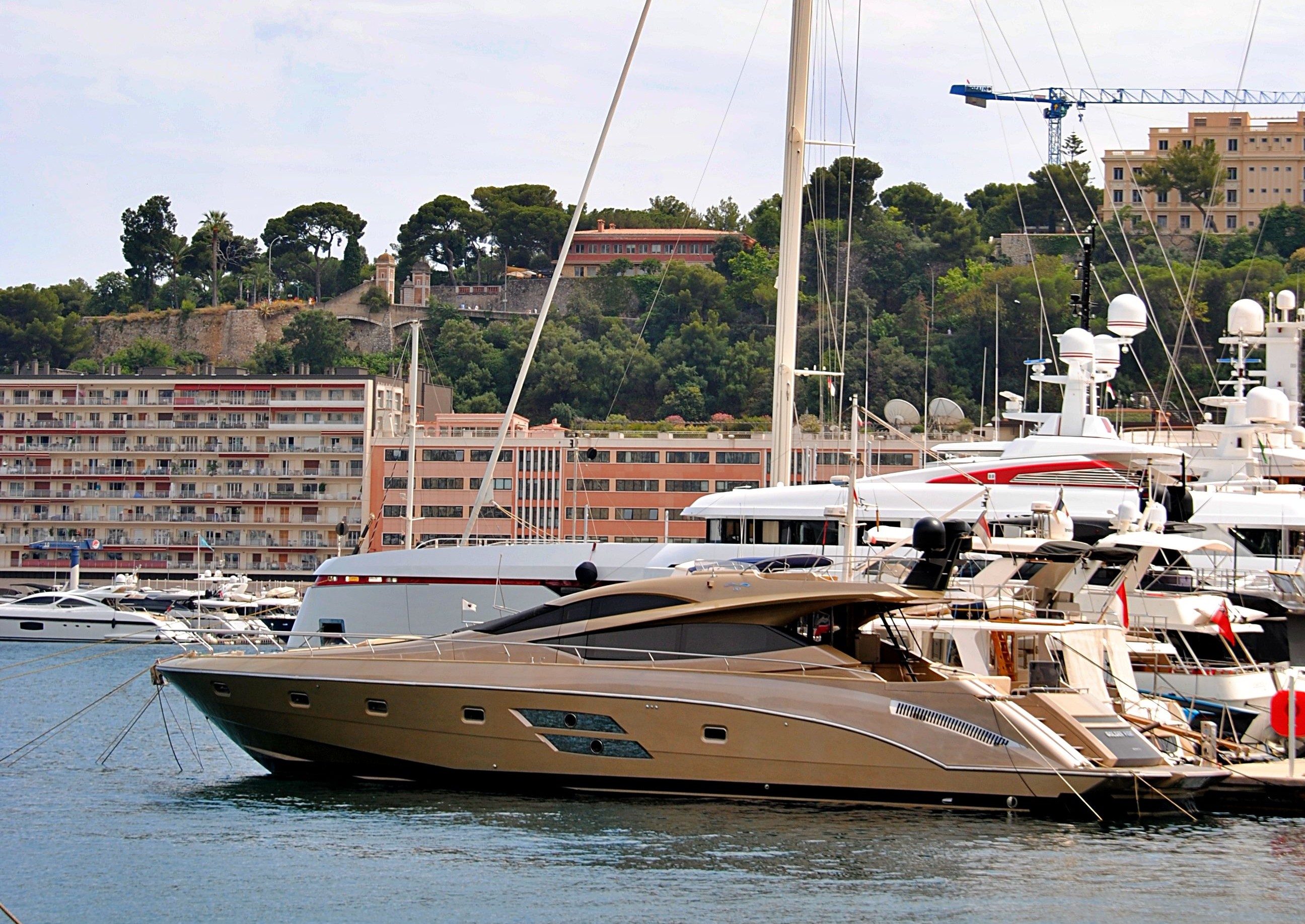
Meftah, R. (2026) Elegant yachts docked at a marina in Monaco under clear blue skies. Pexels. Available at: https://www.pexels.com/photo/luxurious-yachts-in-monaco-marina-under-blue-skies-31371841/ (Accessed: 18 August 2026).